.png)
The Role of Sustainability in Farming: A Path to a Greener Future
- craig7228
- May 5
- 4 min read
Sustainability in farming is no longer just a buzzword. It’s a necessity. As someone deeply involved in agriculture, I’ve seen firsthand how adopting sustainable practices can transform not only the land but also the bottom line. But what exactly does sustainability mean in agriculture? How can farmers balance productivity with environmental care? Let’s dive into this vital topic and explore practical ways to make farming more sustainable and profitable.
Understanding Sustainability in Farming: Why It Matters
Sustainability in farming means managing resources so that the land remains healthy and productive for you and your next generations to come. It’s about more than just growing crops or raising livestock; it’s about doing so in a way that protects the environment, supports local communities, and ensures economic viability.
Think about it: if the soil depletes, water sources dry up, or biodiversity declines, what happens to your farm? The answer is simple - your farm’s future is at risk. Sustainable farming practices help prevent these issues by promoting soil health, conserving water, and reducing chemical inputs.
For example, crop rotation and cover cropping are two techniques that improve soil fertility naturally. Instead of relying heavily on synthetic fertilizers, these methods help maintain nutrient balance and reduce erosion. Plus, they can lower input costs, which is a win-win.

Sustainability also means being mindful of energy use and emissions. Using renewable energy sources or optimizing machinery to reduce fuel consumption can significantly cut your farm’s carbon footprint. It’s not just good for the planet; it can also save money in the long run.
If you’re wondering what does sustainability mean in agriculture, it’s essentially about creating a farming system that works in harmony with nature while supporting your livelihood.
Practical Steps to Implement Sustainability in Farming
So, how do you start making your farm more sustainable? Here are some actionable steps that can make a real difference:
Improve Nitrogen Use Efficiency
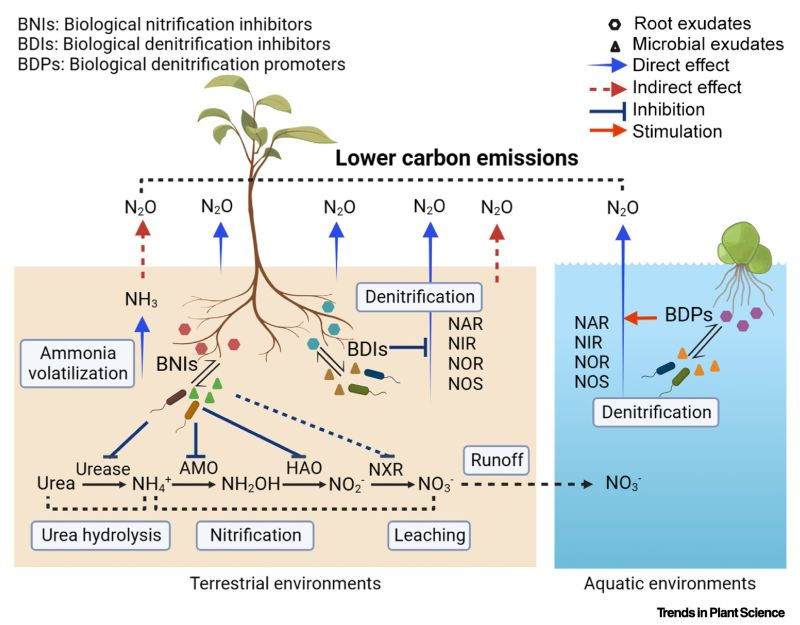
Nitrogen is essential for crop growth, but overusing nitrogen fertilizers can harm the environment. Using precision agriculture tools to apply the right amount at the right time helps reduce waste and pollution. Products like Black Urea are designed to enhance nitrogen use efficiency, meaning you get more crop yield with less environmental impact.
Adopt Integrated Pest Management (IPM)
Instead of relying solely on chemical pesticides, IPM combines biological, cultural, and mechanical methods to control pests. This reduces chemical use and helps maintain beneficial insect populations.
Conserve Water
Implementing drip irrigation or scheduling watering based on soil moisture can save water and improve crop health. Improve soil health and structure to increase your soils ability to absorb and hold more water. This will also increase rainwater harvesting as it another excellent way to supplement irrigation needs sustainably.
Enhance Biodiversity
Planting hedgerows, maintaining natural habitats, and diversifying crops can attract pollinators and natural pest predators. This creates a balanced ecosystem that supports farm productivity.
Reduce Soil Disturbance
No-till or reduced-till farming helps preserve soil structure and organic matter. This practice reduces erosion and improves water retention.
By integrating these practices, you’re not just protecting the environment—you’re also building resilience against climate change and market fluctuations.
What are the 4 Types of Sustainability?
When we talk about sustainability, it’s helpful to understand its four main pillars. These pillars guide how we approach sustainable farming holistically:
Environmental Sustainability
This focuses on protecting natural resources like soil, water, and biodiversity. It involves practices that minimize pollution, conserve resources, and maintain ecosystem health.
Economic Sustainability
Farming must be profitable to survive. Economic sustainability means managing resources efficiently to ensure long-term financial viability. This includes reducing input costs, improving yields, and accessing markets.
Social Sustainability
This pillar emphasizes the well-being of farm workers, communities, and consumers. Fair labor practices, community engagement, and supporting local economies are key components.
Cultural Sustainability
Preserving traditional farming knowledge and practices while adapting to modern challenges is vital. This ensures that farming remains connected to its roots and respects local customs.
Balancing these four types of sustainability is no small feat, but it’s essential for creating a farming system that lasts.
The Benefits of Sustainable Farming for Your Operation
You might be thinking, “Sure, sustainability sounds great, but what’s in it for me?” Well, plenty! Sustainable farming offers numerous benefits that can improve your operation’s efficiency and profitability:
Lower Input Costs: By optimizing fertilizer and water use, you spend less on costly inputs.
Improved Soil Health: Healthy soil means better yields and less need for chemical amendments.
Resilience to Climate Risk: Sustainable practices help your farm withstand extreme weather and pests.
Access to Premium Markets: Consumers increasingly demand sustainably produced food, opening doors to new markets.
Compliance with ESG Regulations: Meeting environmental, social, and governance standards can attract investment and avoid penalties.
Take nitrogen management as an example. Using enhanced efficiency fertilizers like Black Urea can reduce nitrogen losses to the environment. This not only protects water quality but also ensures more nitrogen is available to your crops, boosting yields.
Moving Forward: Embracing Sustainability for Long-Term Success
Sustainability in farming is a journey, not a destination. It requires ongoing learning, adaptation, and commitment. But the rewards are well worth it. By embracing sustainable practices, you’re investing in the future of your farm, your community, and the planet.
Start small if you need to. Maybe try cover cropping on a portion of your land or switch to precision nitrogen application. Monitor the results and build from there. Remember, every step counts.
The future of agriculture depends on farmers who are willing to innovate and care for the land. With tools, knowledge, and a sustainable mindset, you can lead the way toward a greener, more profitable farming future.
So, are you ready to take the next step in sustainability? Your farm—and the world—will thank you.
Interested in learning more about how to improve nitrogen use efficiency and reduce environmental impact? Keep exploring sustainable farming techniques and stay ahead in this evolving field.

Comments